I am incredibly excited about this latest installment in the Vegan 101 Series! As many of my long-time readers know, I do not have children so I never take on the issue of “veganism and kids” myself. I do enlist the help of those who do parent, such as Keri of I Eat Trees who wrote the terrific piece Vegan Meals for Kids for this series.
My friend Dreena Burton recently started a Plant-Powered Kids Series on her blog that is phenomenal. Of course I’ve known and followed Dreena – the genius behind the books The Everyday Vegan, Vive le Vegan!, Eat, Drink & Be Vegan, and, most recently, Let Them Eat Vegan – since going plant-based nearly three years ago (Vive le Vegan was one of my first vegan books!). When I read her first post in the Plant-Powered Kids Series I knew I needed her voice here – to give you parents something I can’t. Isn’t that the beauty of the Vegan 101 Series? I love introducing you to authors, chefs, and thinkers on a wide variety of issues that many of us face on our vegan journey. I am so thrilled that Dreena has now joined the series to share her wisdom on parenting.
 Dreena Burton has been a vegan for almost 20 years, in that time writing 4 bestselling cookbooks charting her journey as a plant-powered cook and at-home mother of three. Always passionate about creating nutritious recipes, she is an advocate of using the “vegan basics” (beans, nuts, seeds, whole-grains, fruits and vegetables) to create healthy, delicious food for the whole family. Dreena’s book “Let Them Eat Vegan” showcases her newest whole-foods vegan recipes. For more, visit her online kitchen at www.plantpoweredkitchen.com
“Wee-Gans”: Raising Vegan Children – Loving the Foods We Grow Up With
We have three girls that have only known eating vegan. I remember when our eldest (now 11) started grade one. She had a ‘hot lunch’ day at school. Since the school hot lunches are all meat/dairy based, on hot lunch day I often pack a vegan version of whatever they are having. This day it was ‘pizza’ hot lunch, so I prepared a vegan pizza at home. Now, this was pre-Daiya days, and since no nuts are allowed in school I couldn’t use nut cheeses, so the pizza was cheeseless. But, my kids were used to cheeseless pizzas, and they still loved them. That afternoon I asked her how she enjoyed the pizza. She loved it, repeating quite a few “mmm, mmm” in her answer. Still, at that time I was often concerned that she felt singled out, and was missing out on the “hot” (and well, ‘cheesy’) part of hot lunch. We had a conversation that went like this:
Me: “So you liked your pizza?”
Daughter: “Yes.”
Me: “And you didn’t mind not having hot pizza like everyone else?”
Daughter: “No, because the other pizza was stinky!”
Me: “Stinky??”
Daughter” “Yes, stinky like garbage that’s been on the floor for a long, long, long, long, long, long, long, long, long time.”
I couldn’t help laughing as I drove home. (And, yes, she did say ‘long’ at least that many times!) Dairy is stinky when you aren’t used to eating it. Can you imagine what it would be like for someone who has never drank cow’s milk to smell it? Not drink it, but first smell it? It does smell kind of stinky! And so do most dairy cheeses. I realized this after being off of milk for some time, and then smelling a cup of milk. It stank!
It was then that I realized: children come to love the foods that they know. Some children grow up eating heavily spiced foods – and they love them. Other children eat a lot of bland and dairy-based foods and balk at spicy foods. Our girls love beans and brown rice and nutritional yeast and fresh fruit and quinoa and avocados and almond butter and veggies (alright, they don’t particularly love most veggies, but they eat them well enough). And, just as kids that have been drinking cow’s milk for years think almond, coconut, or soy milks taste “weird”… our daughters would feel the same about cow’s milk. In fact, I’m pretty sure they would spit it out, knowing myself from childhood how it tastes.
Our family of five eats a whole-foods, plant-powered diet. It wasn’t always that way for me, though. I grew up eating meat, processed meats, cheese, dairy, and junk food. It took years to retrain my palate. I transitioned to eating vegan over 15 years ago, and did so to be a healthier me. So, when we began having children, I surely wanted that same good health for our children.
I wanted to give our children the early introduction to healthy plant-based foods that I did not have. Food habits and preferences begin early. If at all possible, start from the beginning. But that doesn’t mean you can’t make healthful, lasting dietary changes for your child at 3, 8, or any other age. Consistency and repetition is key. Keep offering a range of healthy choices, and they will begin to stick. It won’t happen overnight. But it won’t happen at all if you give in to the old ways. Eventually, they will adapt to these ‘new’ foods, and come to enjoy them as much – or more.
Vegan parents are sometimes questioned about the nutritional adequacy of a vegan diet. Ironically, parents with children eating a meat and dairy-based diets are rarely questioned about: the amount of cholesterol and saturated fats they are consuming; the lack of fibre; hormones and chemicals associated with meat and dairy production; and the colors, refined sugars, and trans fats that are common in the standard diet. These dietary concerns should be questioned by parents, and taken seriously, as other health and safety matters are.
It is the position of the American Dietetic Association that “appropriately planned vegan diets are healthful, nutritionally adequate, and may provide health benefits in the prevention and treatment of certain diseases”. And, The Physicians Committee For Responsible Medicine states here that “Children raised on fruits, vegetables, whole grains, and legumes grow up to be slimmer and healthier and even live longer than their meat-eating friends. It is much easier to build a nutritious diet from plant foods than from animal products, which contain saturated fat, cholesterol, and other substances that growing children can do without. As for essential nutrients, plant foods are the preferred source because they provide sufficient energy and protein packaged with other health-promoting nutrients such as fiber, antioxidant vitamins, minerals, and phytochemicals.”
And, contrary to what many people think about vegan diets, it is not impossible or even difficult to get the essential nutrients you and your children need. Yes, you should supplement with vitamin B12. And, you may want to supplement with vitamin D, since as Ginny Messina, R.D. notes: “Vitamin D is an issue for everyone, not just vegans.” And, while you can munch your way to essential omega-3 fatty acid intake with chia seeds, ground flax seed, hempseeds, walnuts, and whole soy foods, you can also add vegan DHA oils and DHA/EPA supplements to your child’s diet if you’d like that extra asssurance.
Our girls are now 11, 7, and 3. They love their meals – of course, some are more loved than others! But, they often thank me before or after dinner saying “mommy, thank you for making us healthy and yummy food… I’m glad we are vegan”.
My cookbooks offer many family-friendly recipes (especially my newest title Let Them Eat Vegan).

Nutty Veggie Burgers (photo credit: Hannah Kaminsky)
Here are a few examples of our kiddos’ favorite recipes:
- Cheesy Sprinkle
- Tamari Roasted Chickpeas

- Creamy Artichoke Spinach Dip
- Lemon Chickpea Lentil Soup
- Mac-Oh Geez; Nicer Krispie Squares
- “Vegveeta” Dip
- Hummus Salad Dressing
- Creamy Hummus
- Banana Oat Bundles
- Famous Homestyle Chocolate Chip Cookies
- No-Fu Love Loaf
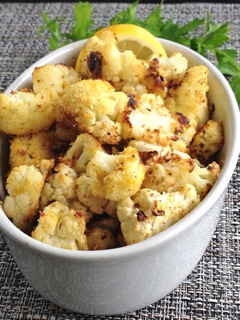
- Almond Roasted Cauliflower


When led by example, children will value eating real, wholesome food, and gain an understanding of where their meals and foods come from. This is the kind of food knowledge and eating habits that will grow with them and nourish them for life.
Set a course for good health for your children. Start as early as you can, and have patience. Remember that we all come to love the foods we know, and we can expand our food choices as we grow in our knowledge of vegan foods. Follow my “Plant-Powered Kids Series” for more details on raising “weegans”, and for other plant-powered recipes and tips, visit my site at plantpoweredkitchen.com.
***
Dreena, thank you! I don’t need kids to want to make every single recipe you mentioned in this post! I really love that you are showing how to raise healthy children who are compassionate and are connected to the ethics of your, and their, veganism. It’s so powerful!
Readers, do you have questions about raising vegan children? Or your own tips to share? Please ask or share in the comments!
8 thoughts on “Vegan 101: “Wee-Gans” – Raising Vegan Children”
Comments are closed.


Thank you JL for including my post in your series, I hope it helps other parents feel a little more confident about bringing their entire family into eating vegan! Many thanks, xo.
I don’t have (and will never have) children, but I still love Dreena and every single one of her posts. What really struck me is this: “When led by example, children will value eating real, wholesome food,
and gain an understanding of where their meals and foods come from.”
I truly think that’s where there’s a HUGE disconnect in society. Many parents–for whatever reason, no judgment here–choose ease and convenience over taking the time to educate themselves about nutrition and provide not only good food, but a good example for their children nutritionally. Kids like what they see and are exposed to. When fast food is the option, they don’t know that another exists. It’s up to parents to prioritize the health of their family above anything else. It’s easier to make excuses than it is to make changes, but long term–look at the benefits!
Sorry. Soapbox. And I know I don’t have kids and can’t relate, but I do know that my own mom provided me with healthy options that I truly grew to love. It’s only now, years later as a vegan, that I’m trying to do the same for her 😉
What a wonderful post. As a vegan mom to two wonderful kids 10 and 14 (vegetarian and omnivore) and wife to a man I lovingly refer to as “Mr. Meat and Potatoes” I try to feed my family as vegan as possible– and they do like what I make. But starting in parenthood as an omnivore it has been a transition, not just for myself but for my family as well. My husband may never get there. My daughter I have hope for, and my son has dabbled in vegetarianism off and on, so I am holding out hope for him, too. Good for you in raising your kids vegan- I know it is not easy, the Birthday parties, school parties, etc. Seems like you are really giving them a good education! I wish I was where I am not when I had my kids, but alas, I was not so little by little we are working on more and more vegan meals and less and less animal products for them. Thanks for a great post!
Thanks for this post. 18 years meatless myself, I am trying very hard to make vegan meals for my new step-daughter who lives with us 50% of the time. My omnivore husband is very supportive but she truly hates every single vegetable except broccoli and many fruits and is fed meat-heavy junk at her mother’s house. Quite a struggle! While they look great to me, she literally would not eat one recipe from this page except the rice treats.
My sons were 13 and 16 years old when I became a vegan three years ago. These were very tough ages to suddenly “change things up” in the kitchen. I tried really hard to make delicious vegan meals, but I had no success with converting them to veganism. However, I have had luck in many meatless meals of hearty vegan soups (mushroom barley is their favorite), anything Asian based, such as udon noodles in a hot shiitake mushroom broth and stir-fries. My advice to any mom is to start your kids on a vegan diet from birth. It will be the greatest gift you will ever give to them.
Hi 🙂 I am raising my daughter, 3 in August, vegan. It is just the two of us at home and I find it very challenging to feed her. She is very fussy and so I feel like I am giving her the same foods over and over again. I keep trying to offer her the foods she does not love, but either she won’t eat it, or I have to feed it to her. Of all the whole grains, and I’ve tried most of them, she only enjoys oatmeal, otherwise it has to be in bread, cookie, cracker or cake form, even pasta is not a favorite. She eats in general a lot of veggies, mostly cooked (her preference) a good amount of fresh fruit, tofu and nuts. She enjoys one store bought brand of hummus, but otherwise no other legumes in any form 🙁 Also, when we are with extended family, which is often, she is starting to cry / ask / demand for some of their food, often junk…….. oh the challenge. I love being a health conscious vegan and I want my daughter to love it too……..
Hi Pnina, our youngest just turned 4. Having two older girls, I think this time (3-5) are the ‘pickiest’ years. So, hang in there!! Sounds like you are trying hard to get a variety of foods in her diet. If you want to email me, I have some suggestions (pretty lengthy for here) that I can send to you, might get you over a little hurdle. With your extended family, do they often give in to her whining/pleading? If so, that is making your life extra difficult, and that’s really not fair. I hear it often, because ‘well-meaning’ relatives often think a “bit of cheese” or “few bites of chicken” will be good for her. As with any parenting decisions, hopefully they will respect your informed choice with this healthy diet so it doesn’t complicate matters and thwart your efforts. I’m sending you support, and be in touch if I can help a little more!